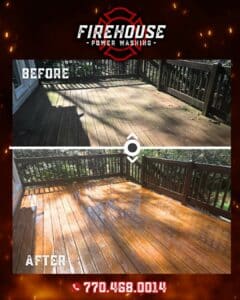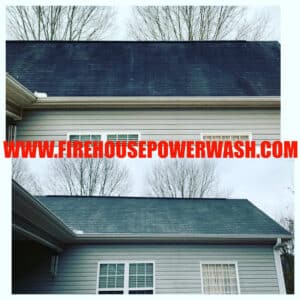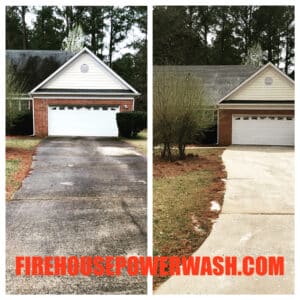
Soft washing is the go-to method for cleaning roofs, siding, and delicate surfaces here in Georgia, where heat and humidity keep algae, mold, and mildew growing year-round. But here’s something most homeowners don’t realize: the “soft” in soft washing refers to the water pressure, not the chemistry.
The real cleaning power comes from professional-grade solutions that have to be mixed, applied, and rinsed the right way. In trained hands, those solutions clean safely and last longer than pressure alone. In untrained hands, the same solutions can burn landscaping, streak surfaces, and put your family and pets at risk.
That’s why chemical training is one of the most important parts of exterior cleaning, and one of the least talked about.
Industry Resource: This topic is covered in depth by Cleaner Times, the monthly technical journal for the pressure washing industry, in their article Training in the Proper Use of Chemicals.
What Chemicals Are Used in Soft Washing?
Every job is different, but most exterior cleaning relies on a few core types of solutions:
- Sodium hypochlorite: The active ingredient that kills algae, mold, mildew, and lichen at the root. It’s in the same family as household bleach, but used at professional strengths that require careful handling.
- Surfactants: These help the cleaning solution cling to vertical surfaces and spread evenly instead of running straight off.
- Degreasers and detergents: Used on driveways, garage floors, and anywhere oil or grime has built up.
- Rust and stain removers: Often acid-based, these tackle inorganic stains like rust, irrigation marks, and Georgia red clay.
Not sure which type of staining you’re dealing with? Our guide on organic vs. inorganic matter on the exterior of your home breaks it down.
Here’s the critical part: some of these products should never be combined. Mixing bleach-based solutions with acids or ammonia can release toxic gases. A trained technician knows exactly which products can share a job site and which ones need to stay separate.
Why Chemical Training Matters
It Protects Your Landscaping
Cleaning solutions don’t stay where they’re sprayed. They run off roofs, drip from gutters, and drift in the wind. A trained crew knows how to pre-wet plants, manage runoff, and rinse beds thoroughly so your shrubs, flowers, and grass stay healthy after the job.
It Protects Your Home’s Surfaces
The wrong dilution or too much dwell time can leave streaks, dull painted finishes, or corrode metal fixtures and outdoor lighting. Proper training means matching the right solution and strength to each surface, whether that’s vinyl siding, brick, stucco, or asphalt shingles.
It Protects Your Family and Pets
Kids, dogs, and cats are curious. A professional crew sets up the work area so no one walks through wet solution, keeps pets inside during application, and rinses play areas and walkways before leaving.
It Protects the Crew
Chemical exposure can cause skin burns, eye injuries, and respiratory irritation. Crews who are trained on protective equipment and safe handling can work efficiently without putting themselves at risk, which also means fewer delays and a smoother job for you.
What Proper Chemical Training Covers
A well-trained exterior cleaning technician should understand:
- Labels and Safety Data Sheets (SDS): Knowing the hazards of every product before it’s ever used on a property
- Dilution and mixing: Using the correct ratio for each surface and stain type
- Never-mix rules: Keeping incompatible chemicals separate at all times
- Personal protective equipment (PPE): Gloves, eye protection, and the right clothing for the product being used
- Dwell time and rinsing: Letting the solution work long enough, then rinsing it away completely
- Storage and transport: Securing chemicals safely on the truck and at the shop
- Spill and exposure response: Knowing exactly what to do if something goes wrong
- Weather awareness: Adjusting for Georgia heat, which dries solutions faster, and wind, which causes drift
The Power Washers of North America (PWNA) offers a dedicated Chemical Safety Training course covering these fundamentals for exterior cleaning contractors.
More Chemical Is Not Better
One of the most common DIY mistakes is assuming a stronger mix cleans better. It doesn’t. Overly strong solutions increase the risk of plant damage and surface discoloration without improving results. The goal is the right amount, applied the right way, for the right amount of time.
This is also why we don’t recommend DIY soft washing with store-bought bleach and a pump sprayer. Without the proper equipment, surfactants, and dilution know-how, homeowners often end up with uneven results, damaged plants, or a roof that looks clean for a few weeks before the growth comes right back. If roof cleaning is on your list, check out our 5 roof cleaning tips every homeowner should know.
How Firehouse Power Washing Handles Chemicals
Our team is made up of firefighters, and respecting hazardous materials is part of how we work every day. That same mindset carries onto every property we clean.
Owner Mike Dingler is also active in industry education and has helped lead training at the PWNA Education Summit, because safer contractors make for a better industry and better results for homeowners.
On every job, our process includes:
- Walking the property to identify surfaces, stains, and sensitive areas
- Choosing the right solution for each surface instead of a one-size-fits-all mix
- Protecting landscaping before, during, and after application
- Applying at low pressure to clean without damaging your home
- Monitoring dwell time so the solution works without overstaying
- Rinsing thoroughly so nothing is left behind on plants, walkways, or play areas
- Doing a final walkthrough to make sure everything looks right
Learn more about our soft washing services and power washing services.
Questions to Ask Before You Hire an Exterior Cleaning Company
Before anyone sprays anything on your home, ask:
- What cleaning solutions will you use on my home?
- How do you protect my plants, grass, and pets?
- Has your crew been trained in chemical handling and safety?
- Are you licensed and insured?
- Which of my surfaces need soft washing, and which can handle pressure washing?
A professional company should be able to answer every one of these clearly and confidently.
Frequently Asked Questions
Is soft washing safe for plants?
Yes, when it’s done by a trained crew. Pre-wetting plants, controlling runoff, and rinsing thoroughly after application keeps your landscaping protected.
Is soft washing safe for pets?
Yes. Keep pets indoors during the cleaning. Once surfaces have been rinsed and dried, your technician will let you know when it’s fine for pets to go back outside.
Do I need to be home during soft washing?
Not usually. As long as the crew has access to outdoor water and pets are secured inside, most exterior cleaning jobs can be done while you’re away.
Can I soft wash my house with regular bleach?
We don’t recommend it. Household bleach without the right surfactants, equipment, and dilution often gives uneven results and raises the risk of damaging plants and surfaces.
How is soft washing different from pressure washing?
Pressure washing uses high-pressure water to remove dirt and grime from hard surfaces like concrete. Soft washing uses low pressure and cleaning solutions to safely treat delicate surfaces like roofs and siding.
The Final Word
Clean results should never come at the cost of your landscaping, your home, or your family’s safety. The difference between a good exterior cleaning and a costly mistake often comes down to one thing: whether the crew truly understands the chemicals they’re using.
At Firehouse Power Washing, we treat every home like it’s our own. As we like to say, no one is better with water than a firefighter on his day off.
Ready for a safe, professional clean? Serving Peachtree City, Fayetteville, Newnan, Tyrone, Senoia, Sharpsburg, and all of Fayette and Coweta County.
👉 Request a Free Quote or call us at (770) 468-0014