Organic vs. Inorganic Matter on the Exterior of Your Home
What’s Growing on Your House… and What Isn’t?
If you live in Fayette & Coweta counties…… Your home’s exterior takes a beating from humidity, pollen, red clay, rain, and blazing sun. Over time, you’ll notice staining, discoloration on siding, roofs, driveways, and gutters.
But here’s the key question:
👉 Is it organic… or inorganic?
Understanding the difference is critical — because each requires a completely different cleaning approach.
🌿 Organic Matter (Living or Once-Living Contaminants)
Organic matter comes from living organisms or materials that were once alive. In the Southeast, this is by far the most common issue we see.
Common Examples:
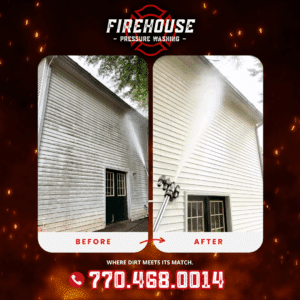
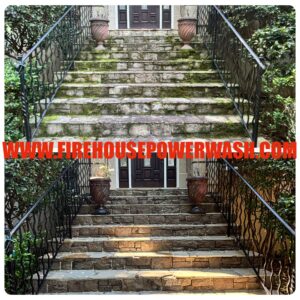
Algae (green or black streaks on siding and roofs)
Mold
Mildew
Lichen
Moss
Pollen buildup
Leaf and plant debris
Why It Happens in Georgia
Warm temperatures + humidity + shade = perfect growing conditions.
North-facing sides of homes and shaded rooflines are especially vulnerable. Black streaks on shingles are typically a bacteria called Gloeocapsa magma feeding on the limestone filler in your shingles.
Why Organic Matter Is a Problem
It spreads if untreated
It can break down roofing materials
It traps moisture against surfaces
It creates slip hazards on concrete
It hurts curb appeal and resale value
How It’s Properly Removed
Organic growth must be killed, not just rinsed off.
A low-pressure application of a sodium hypochlorite solution to eliminate the root system of algae and mold. Not just the surface staining.
⚠️ High pressure alone will not kill organic growth — it may actually damage siding or shingles.
🧱 Inorganic Matter (Mineral & Non-Living Stains)
4
Inorganic matter does not come from living organisms. These are mineral-based or chemical stains.
Common Examples:
Rust stains (from irrigation systems or metal fixtures)
Hard water stains
Red clay stains (very common in Georgia)
Efflorescence (white powdery residue on brick)
Oxidation (chalky fading on vinyl siding)
Oil stains
Why It Happens
Minerals in irrigation water
Metal runoff
Georgia’s red clay soil
Chemical reactions with building materials
Why It’s Different
Inorganic stains are not alive — so bleach won’t fix them.
They require:
Specialty acid-based cleaners
Rust removers
Efflorescence treatments
Oxidation restoration processes
Using the wrong chemical can permanently discolor surfaces.
Why This Matters for Homeowners
Here’s the big mistake many homeowners make:
They treat every stain the same way.
If you pressure wash:
You may remove dirt…
But organic growth will return quickly.
And inorganic stains may not budge at all.
Proper diagnosis determines:
The correct chemical
The correct dilution
The correct dwell time
The correct pressure level
When to Call a Professional
If you’re seeing:
Black roof streaks
Green siding
Slippery concrete
Rust-orange driveway stains
White powder on brick
The safest move is having a professional identify the stain type before treatment.
Different surfaces (vinyl, Hardie board, stucco, asphalt shingles, brick, concrete) all react differently to chemicals and pressure.
Final Thoughts
Your home’s exterior isn’t just “dirty.”
It’s usually one of two things:
🌿 Organic growth that needs to be killed OR 🧱 Inorganic staining that needs targeted treatment
Knowing the difference protects your investment and prevents costly damage.
If you’re in Georgia and unsure what you’re dealing with, get a professional evaluation before you blast it with pressure.
Because when it comes to exterior cleaning…
The right method matters more than force. Call Firehouse today and trust the experts because “No one is better with water than a firefighter on their day off.”